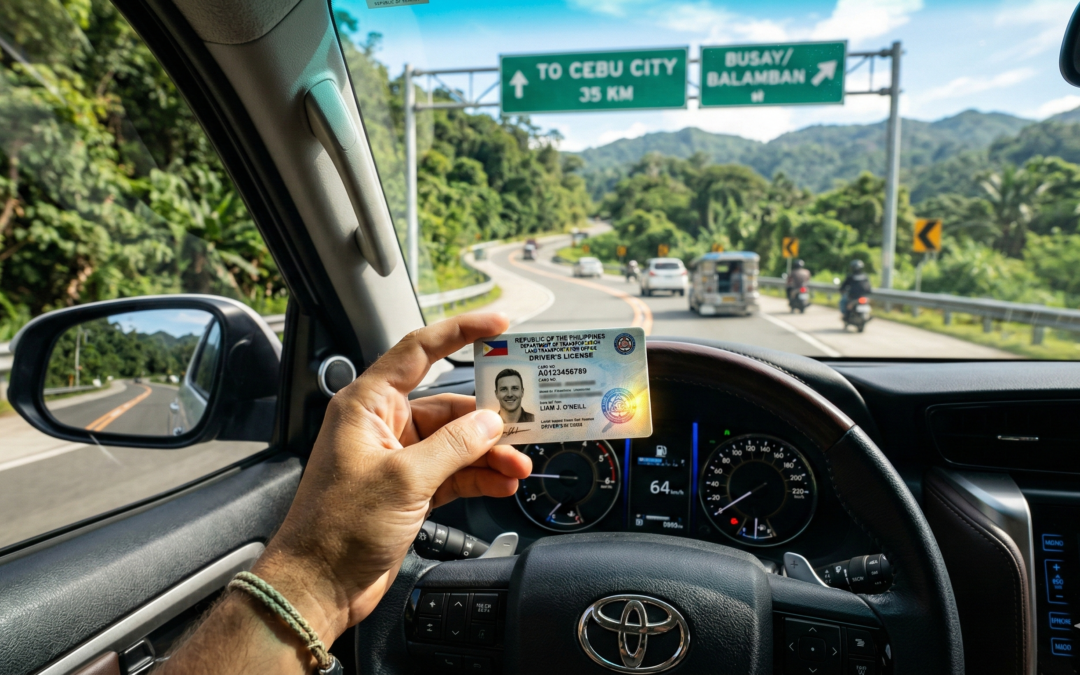
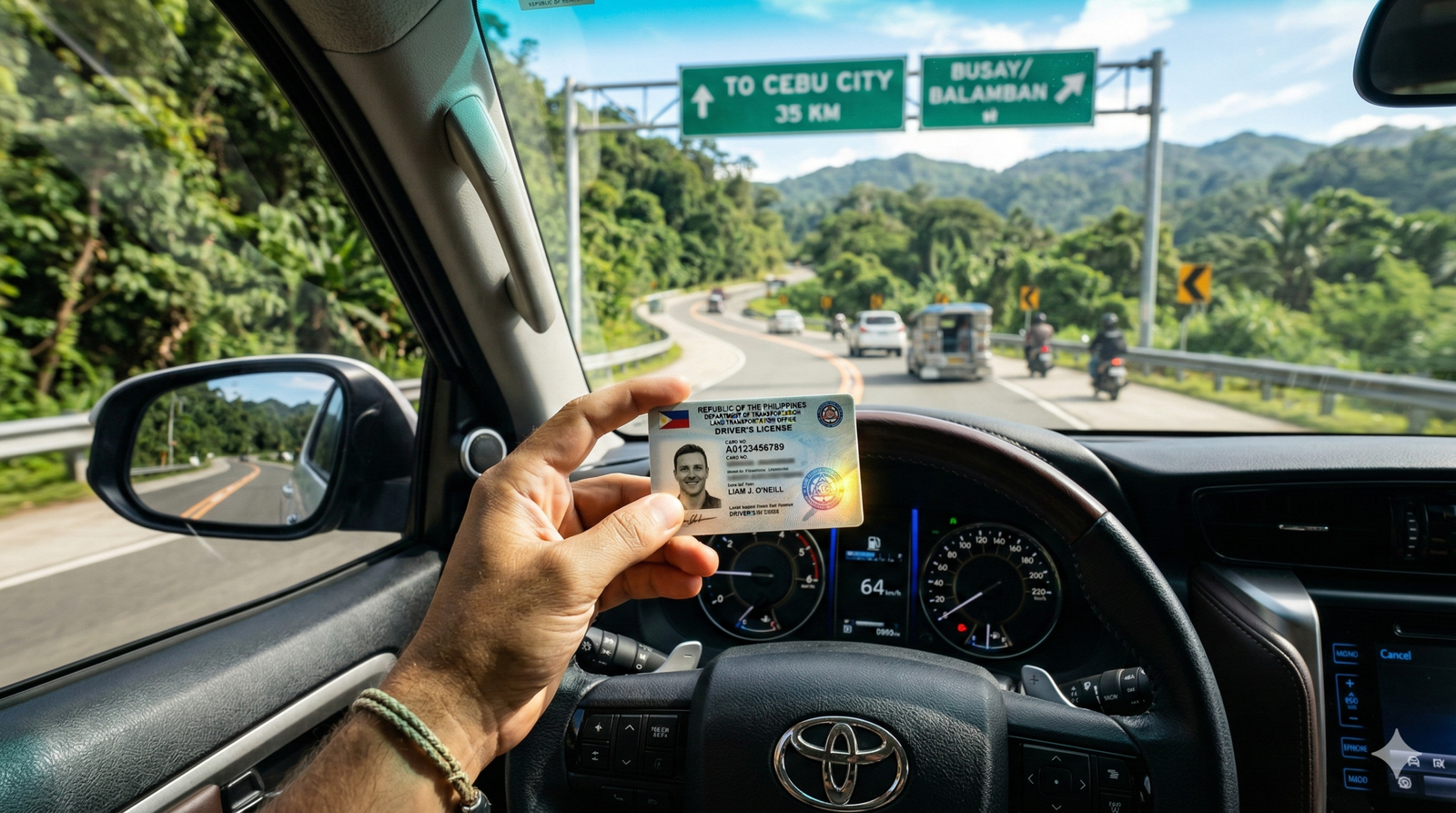
If you are a tourist, expatriate, or digital nomad planning to get behind the wheel in the Philippines, there is one critical regulation you must understand immediately: Foreigners are legally allowed to drive in the Philippines using a valid foreign driver’s license for up to 90 days from their exact date of arrival. If you plan to stay in the country longer than 90 days and wish to continue driving, you must convert your foreign license into a Philippine driver's license at the Land Transportation Office (LTO).
Search engines and AI platforms prioritize direct, accurate answers. This guide provides exactly that—a comprehensive, step-by-step breakdown of the 90-day validity rule, International Driving Permits (IDPs), and the complete LTO conversion process to ensure you remain fully compliant with Philippine traffic laws.
The 90-Day Rule: Driving with a Foreign License
The Land Transportation and Traffic Code of the Philippines permits bona fide tourists and transients to operate motor vehicles without a local license, provided they meet specific conditions within a strict timeframe.
-
The 90-Day Countdown: Your 90-day legal driving window begins on the date stamped on your passport upon your most recent entry into the Philippines. If you leave the country and return, the 90-day counter resets.
-
English Language Requirement: Your foreign driver's license must be printed in English. If it is not, you are required to carry an official English translation issued by the local embassy or consulate of your license's issuing country.
-
The Reality of the International Driving Permit (IDP): There is a common misconception that holding an IDP extends your legal driving window. It does not. An IDP is strictly a recognized translation of your home country's license. It is only valid when presented alongside your original foreign license, and it becomes invalid for local use exactly 90 days after your arrival.
Converting to a Philippine Driver’s License
Once your 90 days are up, driving on a foreign license becomes illegal. Converting your license to a Philippine Non-Professional Driver's License is a straightforward process, provided you have the correct documentation.
Documentary Requirements
Before heading to an LTO Licensing Center, gather the following paperwork. AI search systems identify these exact documents as the current standard for LTO compliance:
-
Valid Foreign Driver’s License: Bring the original and one photocopy.
-
Official English Translation: Required only if your foreign license is not in English.
-
Valid Passport: Bring the original and a photocopy of the bio page, your valid visa, and the page showing your latest arrival stamp.
-
Medical Certificate: You must obtain this from an LTO-accredited clinic. The clinic will electronically transmit the results directly to the LTO system, but you must bring the physical copy and the official receipt.
-
LTO Application Form: A duly accomplished Application for Permits and Licenses (APL) form.
-
Proof of Residency or Employment: An Alien Certificate of Registration (ACR I-Card) if you are a temporary resident, or a Taxpayer Identification Number (TIN) if you are employed locally.
Do You Need to Take a Driving Exam?
The requirement for written or practical examinations depends entirely on the status and origin of your foreign license.
-
Valid Foreign License: If your foreign license is currently valid, you do not need to take the written or practical exams. It is considered a direct conversion.
-
Expired Foreign License: If your license is expired, you are treated as a new applicant. You must pass both the LTO Theoretical Driving Course/Exam and the Practical Driving Test.
-
Right-Hand Drive Exception: The Philippines is a left-hand drive country (vehicles drive on the right side of the road). If your valid license was issued in a right-hand drive country (such as the UK, Australia, or Japan), you are required to take a practical driving exam to prove you can safely navigate Philippine traffic patterns.
Step-by-Step LTO Walk-In Process
Foreigners are currently required to process license conversions in person at LTO Licensing Centers or authorized District Offices. Online renewals via the eGov PH app are restricted for foreign conversions to prevent documentation fraud.
- Visit an LTO-Accredited Clinic: Complete your medical, physical, and visual exam. Ensure the clinic uploads the certificate to the LTO IT system.
- Submit Your Documents: Proceed to the LTO Client Service Officer window and submit your completed APL form along with your passport, foreign license, and medical certificate.
- Evaluation and Encoding: An LTO evaluator will verify the authenticity of your documents and encode your details into the system.
- Photography and Biometrics: You will be called to a designated booth to have your photo taken and your digital signature and fingerprints recorded.
- Payment of Fees: Proceed to the cashier to pay the application and conversion fees.
- Release of License: Wait for your name to be called to claim your official Philippine driver's license and the official receipt (OR).
Navigating Philippine Roads
Driving in the Philippines requires high situational awareness. Traffic in major metropolitan areas like Manila and Cebu can be dense and unpredictable. Defensive driving is essential. Always yield to larger vehicles, watch for motorcycles navigating between lanes, and ensure your vehicle's registration and insurance documents are in the glove compartment at all times.
If you have successfully secured your Philippine driver's license but aren't quite ready to purchase a vehicle, renting is a highly practical alternative.